Scott 3200A Tailwheel – Fully Rebuilt: Durable Tailwheel Steering and Landing Gear Solution
Scott 3200A Tailwheel – Fully Rebuilt: Durable Tailwheel Steering and Landing Gear Solution
Blog Article
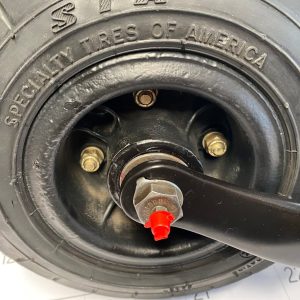
The Scott 3200A Tailwheel – Fully Rebuilt may suit classic airplanes, utility aircraft, bush planes, experimental designs, and other compatible general aviation platforms. The quality of the rebuild depends on here workmanship, parts selection, dimensional condition, technical procedures, final adjustment, and available documentation.
The Scott 3200A Tailwheel Assembly should be matched with the aircraft tail spring, mounting arrangement, steering linkage, operational weight, and approved configuration. Professional rebuilding can renew worn mechanical relationships when suitable components and procedures are used.
The Aircraft Tailwheel Assembly should remain properly aligned, lubricated, secured, adjusted, and compatible with the complete aircraft steering system. A General Aviation Tailwheel may be used on training aircraft, classic taildraggers, bush airplanes, utility platforms, experimental aircraft, and restored vintage designs.
Whether the goal is a Replacement Aircraft Tailwheel or a broader purchase of General Aviation Landing Gear Parts, qualified review provides the strongest foundation.
Why Aircraft Owners Choose the Scott 3200A
The assembly can respond to normal steering input while allowing broader movement when its internal mechanism releases appropriately. The tailwheel operates together with the aircraft tail spring, steering chains or links, steering springs, rudder system, attachment bolts, and surrounding structure.
Maintaining a Scott 3200A Tailwheel Assembly
Its mechanical configuration can support directional control during normal taxiing while allowing wider turning movement when required. The exact work completed should be listed clearly because rebuilt assemblies may differ in scope and component replacement.
Scott Tailwheel Assembly Service Quality
A thorough rebuild generally begins with complete disassembly, careful cleaning, detailed inspection, and measurement of wear-sensitive areas. A freshly painted assembly may still contain worn bearings, weak springs, excessive clearances, or damaged steering components when no true rebuild was completed.
How an Aircraft Tailwheel Assembly Works
The assembly carries tail weight while managing runway irregularities, side loads, repeated landing cycles, and directional forces. The entire installation should be reviewed whenever a rebuilt tailwheel is fitted.
General Aviation Tailwheel Applications
Pavement may increase tire wear and make shimmy more noticeable when alignment or adjustment is poor. Experimental aircraft installations should be evaluated according to the builder’s configuration and applicable operational requirements.
Choosing an Aircraft Tailwheel
The assembly remains part of a complete ground-handling system that also includes rudder control, brakes, main gear, and pilot technique. The axle and bearings should be included in routine maintenance and rebuild inspection.
Choosing a Taildragger Tailwheel
Taildragger pilots coordinate rudder, brakes, power, and tailwheel input to maintain ground stability. Repeated hard pivoting can increase wear on the tire, bearings, springs, steering arms, fork, and mounting hardware.
Aviation Tailwheel System Components
Every component influences how steering input reaches the wheel and how operational loads return to the aircraft. Steering chains or links should have suitable tension, symmetry, attachment security, and freedom of movement according to the aircraft configuration.
Maintaining a Tailwheel Steering Assembly
Wear in these components may create looseness, poor tracking, inconsistent engagement, or delayed control. The full steering and swivel range should be checked after installation.
Benefits of an Aircraft Ground Handling Tailwheel
Poor steering response can increase tire wear, brake use, pilot workload, and difficulty in confined spaces. Responsible ground movement protects the Aircraft Ground Handling Tailwheel and surrounding structure.
Scott 3200 Series Tailwheel Heritage
A professionally rebuilt Scott 3200A can continue this design heritage while offering renewed mechanical condition. A visually similar tailwheel may contain important differences affecting installation or operation.
Maintaining a Heavy-Duty Aircraft Tailwheel
Rugged operations may involve gravel, grass, dirt, uneven surfaces, frequent cycles, contamination, and repeated loading. Durability depends on structural condition, bearing service, steering-spring integrity, wheel alignment, lubrication, tire condition, and correct installation.
Buying Tailwheel Aircraft Parts
Visually similar hardware can differ in dimensions, material, strength, finish, or mechanical fit. A weak spring, worn bushing, rough bearing, damaged pawl, or incorrect fastener may create movement throughout the mechanism.
Aircraft Steering Tailwheel Performance
The assembly should respond without excessive delay, harsh engagement, binding, or uncontrolled movement. Uneven tire wear may indicate alignment, bearing, or steering concerns.
Benefits of a Replacement Aircraft Tailwheel
A Replacement Aircraft Tailwheel should be selected through exact aircraft application, mounting details, tail-spring configuration, steering arrangement, and suitable technical information. The unit should not be installed solely because it appears clean or freshly refinished.
General Aviation Landing Gear Parts
Each component contributes to aircraft support, ground control, steering, braking, or load absorption. Transparent descriptions support trust among aircraft owners, sellers, and maintenance professionals.
Scott Tailwheel Condition Checklist
The buyer should request enough information for a qualified maintenance professional to review the assembly before purchase.
- Confirm that the assembly is a Scott 3200A, review all visible markings, compare mounting details, and verify the wheel-and-fork configuration for the intended aircraft.
- Arrange professional evaluation when rebuild quality, structural condition, or internal serviceability remains uncertain.
- Confirm the seller’s terms, written invoice, rebuild documents, payment protection, shipping insurance, packaging method, inspection period, and return conditions.
Commissioning a Rebuilt Scott 3200A
Mounting surfaces, steering springs, chains, hardware, and attachments should be reviewed before the rebuilt unit is installed. Any unexpected behavior should be corrected before normal aircraft operation.
Testing should begin at low speed in a suitable area under safe conditions.
Protecting a Rebuilt Tailwheel Assembly
Preventive maintenance can identify wear before it develops into shimmy, binding, looseness, poor steering, or component damage. Early attention supports reliable long-term operation.
Suitable lubricant should be applied at the correct locations without attracting unnecessary contamination.
Final Thoughts on the Rebuilt Scott 3200A
The Scott 3200A Tailwheel – Fully Rebuilt may suit aircraft owners, bush operators, restoration facilities, flight schools, maintenance organizations, and pilots seeking renewed ground-handling performance. A qualified aircraft maintenance professional should evaluate the complete installation before the tailwheel is returned to operational service.
Whether the project involves an Aircraft Ground Handling Tailwheel, Scott 3200 Series Tailwheel, Heavy-Duty Aircraft Tailwheel, or Tailwheel Aircraft Parts, rebuild documentation should be reviewed carefully. With verified compatibility, correct installation, professional steering adjustment, suitable lubrication, and routine inspection, the assembly can provide dependable long-term value.
Report this page